Buying a Used Engine From a Salvage Yard: What to Ask and Check
The questions you ask before you buy matter as much as the engine itself.
September 23, 2026 · 4 min read
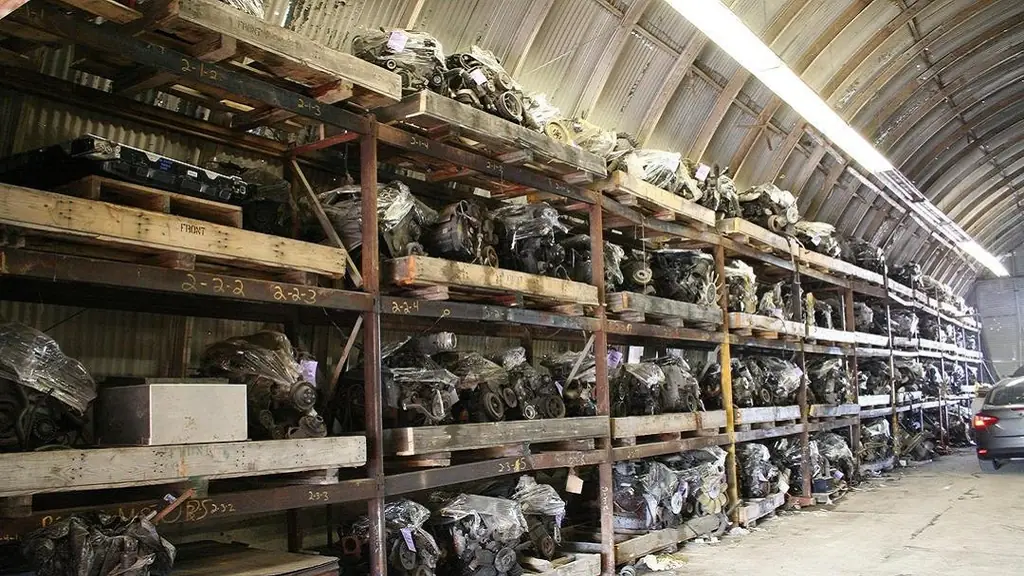
A used engine out of a salvage yard is one of the biggest money savers in auto repair, but it's also a purchase where a few good questions up front can save you real headaches down the road. Here's what's worth asking, and what's worth checking once the engine is in your hands.
Ask What's Known About the Engine's History
Not every engine comes with a full paper trail, but ask anyway. Mileage, if it's known. Why the donor vehicle came off the road, since an engine pulled from a vehicle that was rear-ended is a different story than one pulled from a vehicle with a blown transmission. How it's been stored since it came out, whether it's been sitting wrapped and protected or sitting exposed. None of this guarantees a perfect engine, but it tells you what you're working with.
It's also worth asking how the yard tested the engine before pulling it, if they did. Some yards run a compression check or at least confirm the engine turned over and ran in the donor vehicle before it was pulled. That's a different level of confidence than an engine that was pulled without ever being run, simply because the donor vehicle was totaled for body damage and the drivetrain was never actually tested. Neither situation is automatically bad, but knowing which one you're dealing with changes how you approach the install.
Ask What Comes With It
Engines get sold in different states of completeness. Some come as a long block, others as a complete assembly with the intake, accessories and sensors still attached. Know exactly what's included before you buy, because if the wiring harness, sensors or accessory brackets aren't part of the deal, you'll need to source those separately or plan to swap them from your old engine.
What to Check Before You Install
- Turn the engine over by hand if possible, to confirm it isn't seized
- Check for obvious cracks in the block or heads
- Look at the oil for consistency and smell, not a diagnosis but a red flag if it's milky or smells burnt
- Confirm the engine code matches what your vehicle needs, not just the displacement
- Check that mounting points and accessory brackets line up with your application
A visual check before the engine goes anywhere near your vehicle catches the obvious problems early, before you've spent hours on the install.
Plan to Swap Over the Wear Items
Even a good used engine benefits from fresh gaskets and seals at install, since the old ones have been sitting and may not seal as well as they did when new. The thermostat and belts are worth a look too. If your old engine's accessories, like the alternator or power steering pump, are still good, plan on moving them over rather than assuming the replacement engine's are in the same condition.
Budget for the Whole Job, Not Just the Engine
The price of the engine itself is only part of the cost. Gaskets, fluids, a new filter, and shop time if you're not doing the swap yourself all add up. It helps to think of the used engine as the biggest single line item in a job that has several smaller ones attached to it, rather than the entire cost. Ask ahead of time whether the seller can point you toward the gaskets and seals that fit, since having the right part numbers for those saves a second trip once the engine is out and on the stand.
Ask What's Covered If Something's Wrong
Policies vary from one yard to the next, so ask directly what happens if the engine doesn't run right after it's installed. Get the answer before you buy, not after, and get it from the person you're actually buying from rather than assuming it matches what you've heard about some other shop.
New, Remanufactured or Used: Weighing the Options
A used engine isn't the only option on the table, and it's worth understanding where it sits against the alternatives before you decide. A brand new engine from the manufacturer is the most expensive route by a wide margin and usually only makes sense for a newer vehicle worth keeping long term. A remanufactured engine sits in the middle, rebuilt to spec with new wear components, at a price well above used but below new. A used engine pulled from a running donor vehicle is the value option, and for a lot of daily drivers and older vehicles, it's the one that makes the most financial sense relative to what the vehicle itself is worth. None of the three is automatically the right answer for every situation, which is exactly why the questions in this list matter as much as the price tag.
Line Up Your Questions Before You Call
A quick list before you dial saves a back and forth call: your year, make, model and engine size, whether you know the engine code, and what specifically failed on your old one. A yard that's pulling engines regularly can usually tell you on the spot what they have and what condition it's in.
Mills Auto Parts in Fort Wayne has been sourcing used engines and parts since 1982, and delivery or shipping is available on most parts if a trip out isn't easy. Call (260) 493-1553 with your vehicle info and they can tell you what's on hand.
Mills Auto Parts, (260) 493-1553
Call (260) 493-1553More articles
How to Call a Parts Yard and Get the Right Part the First Time
A few minutes of prep before you call can save you a wasted trip and a second phone call.
Matching a Used Body Panel: How Paint Codes Actually Work
A short alphanumeric code hiding in your door jamb is the difference between a panel that blends in and one that doesn't.